Product Usage: This product is intended for research purposes only.
All product information available on this website is for educational purposes only. Any form of bodily introduction into humans or animals is strictly prohibited by law. This product should only be handled by licensed and qualified professionals. It is not a drug, food, or cosmetic, and must not be misbranded, misused, or mislabeled as such.
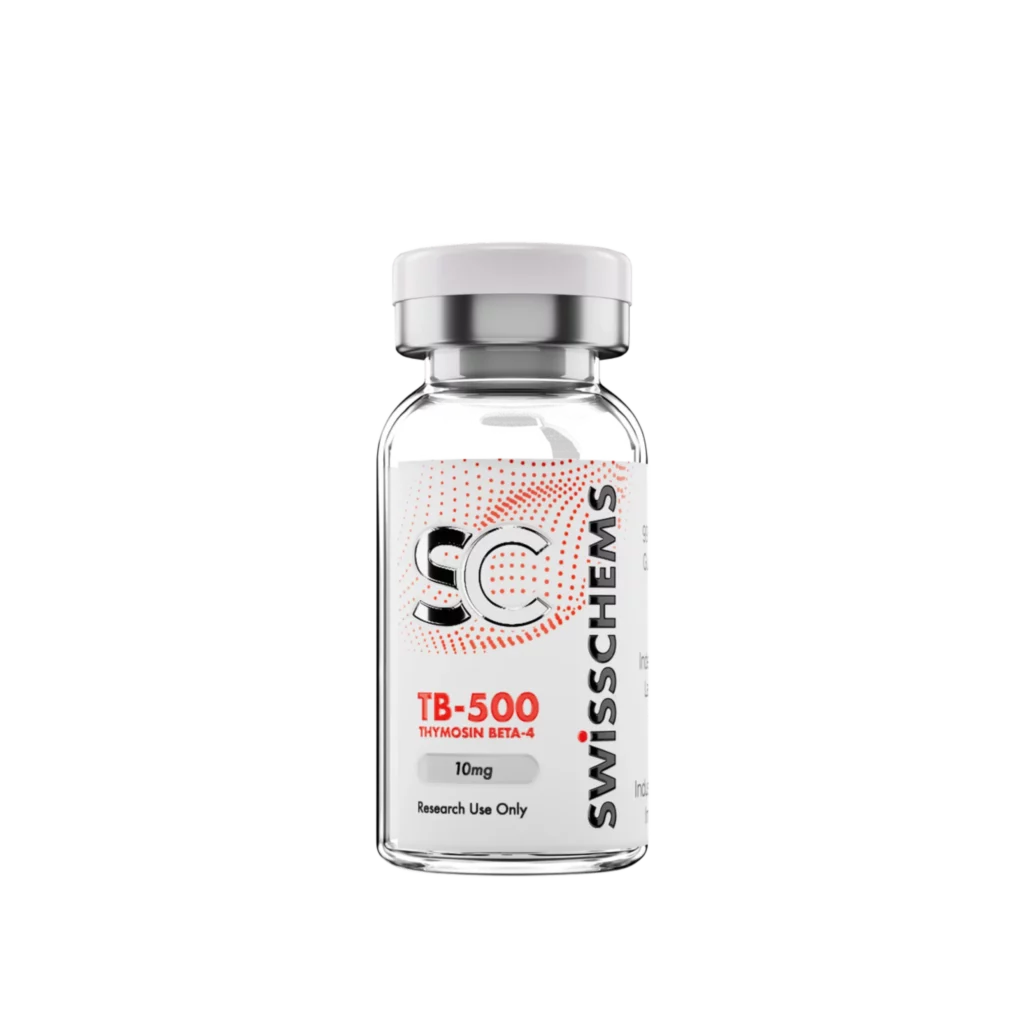
TB-500 (Thymosin Beta-4)
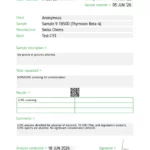
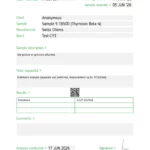
During our packaging transition, you may receive products with either our previous or updated label. Rest assured, the formulation, purity and quality remain exactly same as standards.

TB-500, derived from the naturally occurring protein Thymosin Beta-4, is a synthetic peptide that binds to a protein called actin, which is involved in the formation of new blood vessels and the repair of damaged tissues. By binding to actin, TB-500 helps stimulate the growth of new blood vessels and promotes the formation of new tissue functions.
The ability of TB-500 to reduce inflammation and promote cell migration, proliferation, and differentiation, which can help to facilitate tissue repair and regeneration has been demonstrated in various research. It is currently studied for its potential to enhance athletic performance and improve recovery from injury.
- High Purity – 99% Purity Guaranteed
- Independently Lab Tested
- Research Grade Quality
- For Laboratory Research Use Only
3D Molecular Structure
Drag to rotate · scroll to zoom| Chemical Formula | C212H350N56O78S |
|---|---|
| Synonyms | Thymosin Beta-4, Tβ4 |
| Molar Mass | 4693 g/mol |
| CAS Number | 77591-33-4 |
| PubChem CID | 16132341 |
| Total Compound Content | 10 mg per vial |
| Shelf Life | 36 months |
What is the primary mechanism by which TB-500 influences actin-regulatory systems?
TB-500 interacts with G-actin monomers through the conserved LKKTET motif (residues 17–23), influencing actin sequestration, actin filament assembly, and polymerization dynamics. This mechanism has made TB-500 a valuable research tool for investigating actin-associated protein interactions, cytoskeletal organization, and the molecular processes governing structural protein regulation.
What signaling pathways have been associated with TB-500 in experimental investigations?
Research involving TB-500 has examined its relationship with actin-associated signaling networks, protein interaction pathways, and regulatory mechanisms involved in cytoskeletal organization. These investigations have contributed to the characterization of TB-500 as a useful tool for studying actin-dependent signaling, intracellular structural dynamics, and pathway-specific regulatory processes.
Why is TB-500 frequently used in cytoskeletal research?
TB-500 possesses a well-characterized actin-binding mechanism and a defined interaction with actin-regulatory systems. Its ability to influence actin polymerization dynamics, cytoskeletal architecture, and protein interaction networks has established it as a widely utilized reference compound in studies examining structural protein organization, actin-associated signaling pathways, and peptide structure-function relationships.
-
-
-
-
-
SALE
-
-