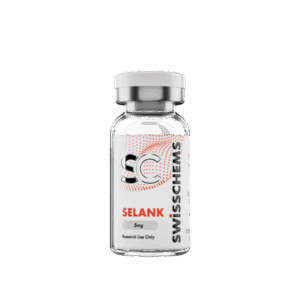
Product Usage: This product is intended for research purposes only.
All product information available on this website is for educational purposes only. Any form of bodily introduction into humans or animals is strictly prohibited by law. This product should only be handled by licensed and qualified professionals. It is not a drug, food, or cosmetic, and must not be misbranded, misused, or mislabeled as such.

BPC-157 + TB-500 (Blend)
During our packaging transition, you may receive products with either our previous or updated label. Rest assured, the formulation, purity and quality remain exactly the same as per our standards.

BPC-157 + TB-500 Blend
This vial contains a pre-formulated blend of BPC-157 and TB-500 , two synthetic peptides with distinct molecular mechanisms and signaling characteristics. BPC-157 has been investigated for interactions with VEGFR2-, FAK-, and eNOS-associated signaling pathways together with regulatory processes involving extracellular protein networks. TB-500, a synthetic analogue of Thymosin Beta-4, interacts with G-actin through the conserved LKKTET motif, influencing actin-binding dynamics, cytoskeletal organization, and actin-associated signaling systems. The co-formulated preparation provides a convenient research tool for investigating multiple peptide-mediated signaling pathways, actin-regulatory mechanisms, and pathway interactions within a single experimental framework.
.
- High Purity – 99% Purity Guaranteed
- Independently Lab Tested
- Research Grade Quality
- For Laboratory Research Use Only
| Chemical Formula | C62H98N16O22 / C212H350N56O78S |
|---|---|
| Synonyms | BPC-157 + Thymosin Beta-4 Blend, BPC/TB Blend |
| Molar Mass | 1,419.5 / 4,963.4 g/mol |
| CAS Number | 137525-51-0 | 77591-33-4 |
| PubChem CID | 9941957 / 16132341 |
| Total Compound Content | 5mg + 5mg, 10mg | 10mg + 10mg, 20mg |
| Shelf Life | 36 months |
Do BPC-157 and TB-500 interact with the same signaling pathways, or do they exhibit distinct mechanisms?
BPC-157 and TB-500 exhibit distinct molecular mechanisms and signaling characteristics. BPC-157 has been investigated for interactions with VEGFR2-, ERK1/2-, eNOS-, and FAK-associated signaling networks together with regulatory processes involving extracellular protein systems. TB-500 interacts with G-actin through the conserved LKKTET motif, influencing actin polymerization dynamics, cytoskeletal organization, and actin-associated signaling pathways. While both peptides participate in broad regulatory signaling networks, their primary molecular targets and mechanisms remain distinct, making the blend useful for comparative investigation of multiple peptide-mediated pathways.
Is the purity and identity of each peptide maintained within the blend?
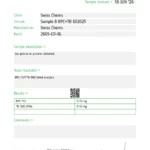
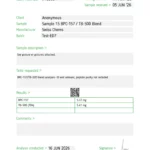
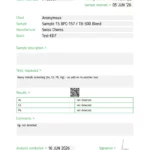
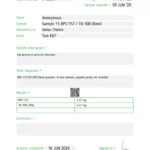
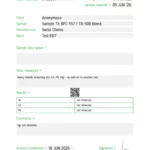
Yes. BPC-157 and TB-500 remain chemically distinct components within the lyophilized preparation and do not form covalent conjugates under standard manufacturing and storage conditions. Each peptide retains its individual amino acid sequence, molecular identity, physicochemical properties, and analytical profile. Independent third-party testing is performed to verify purity and quality specifications for the blend.
What distinguishes the blend formulation from individual peptide preparations?
The blend formulation combines BPC-157 and TB-500 within a single preparation while preserving the individual characteristics of each peptide. This format provides a convenient research tool for investigations involving comparative peptide pharmacology, concurrent evaluation of multiple signaling mechanisms, and studies examining interactions between distinct peptide-associated regulatory pathways. Researchers requiring separate experimental assessment of each peptide may alternatively utilize the individual preparations.
-
-
-
SALE

-
-
-
-
-